The Chancy and Bruce Story: More Than 40 Years of Preparing Children for What Comes Next
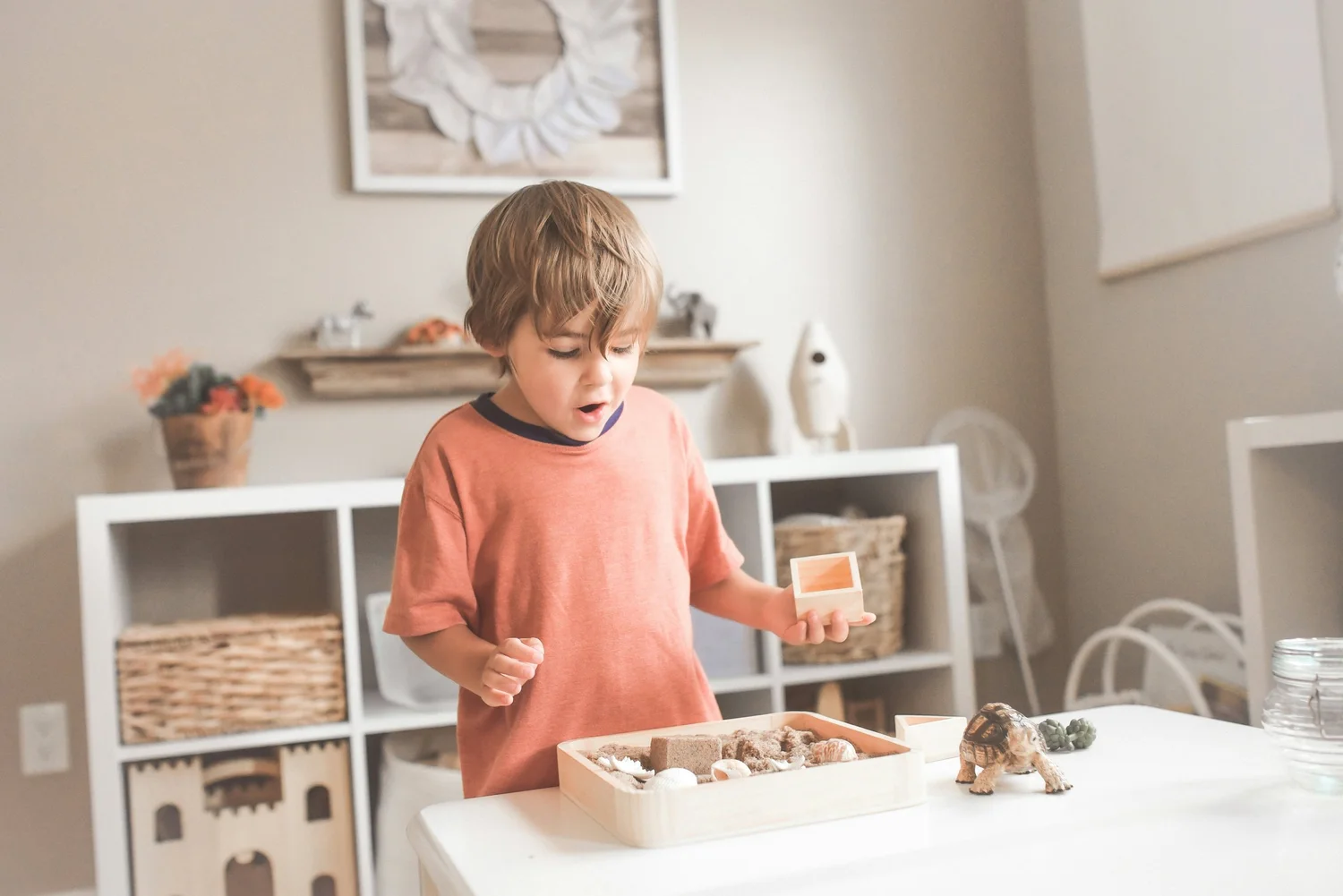
It started in a kindergarten classroom in 1980.
Dr. Bonnie Bruce and Dr. Barbara Chancy were best friends, educators, and mothers. Their children were entering kindergarten at the same time, so on the first day of school, the two women walked into the classroom together.
Almost immediately, they noticed something important.
Many of the children were not ready for kindergarten.
Some struggled to hold a pencil. Some had difficulty separating from their parents. Others had trouble following directions, remembering information, communicating clearly, controlling their bodies, or navigating the social and emotional expectations of a classroom.
To many observers, these behaviors might have seemed unrelated.
Bonnie and Barb saw something different.
They saw development.
They understood that a child’s chronological age does not necessarily tell us whether that child is developmentally ready for school. That insight became the foundation of Chancy and Bruce: and the beginning of more than four decades of helping children prepare for what comes next.
Ask a Better Question
At the time, the question surrounding kindergarten entrance was often simple:
Is this child old enough for kindergarten?
Bonnie and Barb believed educators needed to ask a more meaningful question:
Is this child developmentally ready for kindergarten?
That distinction became their life’s work.
Drawing on their expertise in child development, education, and special education, they developed a proprietary developmental screening assessment to help educators and families understand a child’s readiness before school difficulties emerged.
The assessment was not designed to label children.
It was designed to understand them.
During an individualized 20–30 minute screening conducted by a trained screener, each child was evaluated across foundational developmental areas. These areas became the Pathways to School Readiness:
- Social-Emotional Development
- Fine Motor
- Gross Motor
- Visual Discrimination
- Visual Memory
- Auditory Discrimination
- Auditory Memory
- Expressive Language
- Receptive Language
- Comprehension
Rather than focusing only on whether a child could recite letters or numbers, the assessment explored the abilities that allow children to participate, communicate, follow directions, engage with others, and learn in a classroom environment.
Explore the School Readiness Assessment.
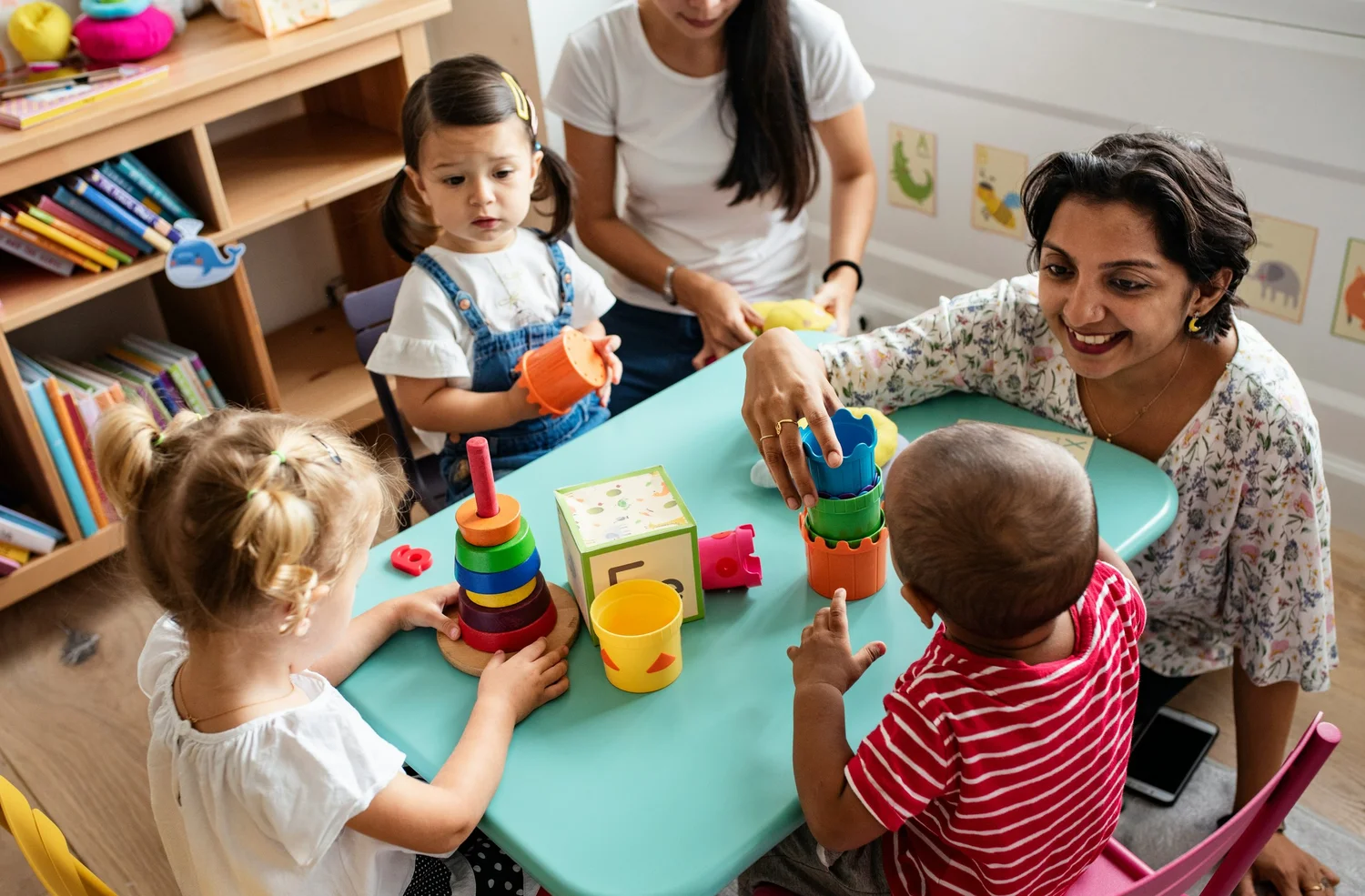
Look Beyond a Child’s Birthday
Bonnie and Barb understood that development unfolds along a continuum.
A child may demonstrate strength in one area while still developing in another. A child may communicate confidently but struggle with fine motor tasks. Another child may remember information well but need more support with separation, self-regulation, or following multi-step directions.
These differences are not necessarily signs that something is wrong. They are part of each child’s individual developmental profile.
The goal was not perfection.
The goal was to understand whether a child was progressing toward the developmental foundation needed to enter kindergarten successfully.
This approach gave parents and educators something extraordinarily valuable:
Information before a child struggled.
Instead of waiting until kindergarten to discover that a child was having difficulty, schools and families could identify areas for growth and provide intentional support early.
That information could guide classroom planning, family conversations, targeted activities, and decisions about how to give each child the time and support needed to grow.
More Than 500,000 Children
What began with an observation in one kindergarten classroom grew into more than 40 years of school-readiness work.
Over the decades, Chancy and Bruce partnered with hundreds of schools throughout Southern California. More than 500,000 children experienced the Chancy and Bruce school-readiness screening process.
Year after year, child after child, Bonnie and Barb continued studying what kindergarten readiness actually looked like.
Schools trusted the assessment.
Teachers trusted it.
Administrators trusted it.
Parents used the information to make important early educational decisions for their children.
There were opportunities to expand far beyond Southern California. But Bonnie and Barb were educators first. Their priority was never simply to build the largest education company.
Their priority was to serve children and the schools that relied on their work.
That commitment helped Chancy and Bruce become one of Southern California education’s most trusted: and best-kept: resources.
Learn more about the Chancy and Bruce story and approach.
A New Chapter in 2022
In 2022, Chancy and Bruce entered a new era when Dr. Nicky Magnuson and Suzanne Carr took leadership of the company.
They were not outsiders discovering the assessment for the first time.
For approximately 15 years, while leading a private school, they had used the Chancy and Bruce assessment with their own students. They had seen firsthand what individualized developmental information could provide educators and families.
Leading the company gave them a deeper perspective.
They began to understand the knowledge behind the assessment: decades of observations, research, methodology, and insight into how young children develop.
Their responsibility became clear:
Protect what worked. Modernize how it was delivered. Serve far more children.
The developmental foundation remained. The Pathways remained. But the experience surrounding the assessment began to evolve.
The assessment and reporting process was digitized, making information more accessible and efficient for schools and families. An optional academic component was added for schools seeking additional insight into early academic development.
Then the team began asking a larger question:
What if teachers could intentionally build school readiness every day?
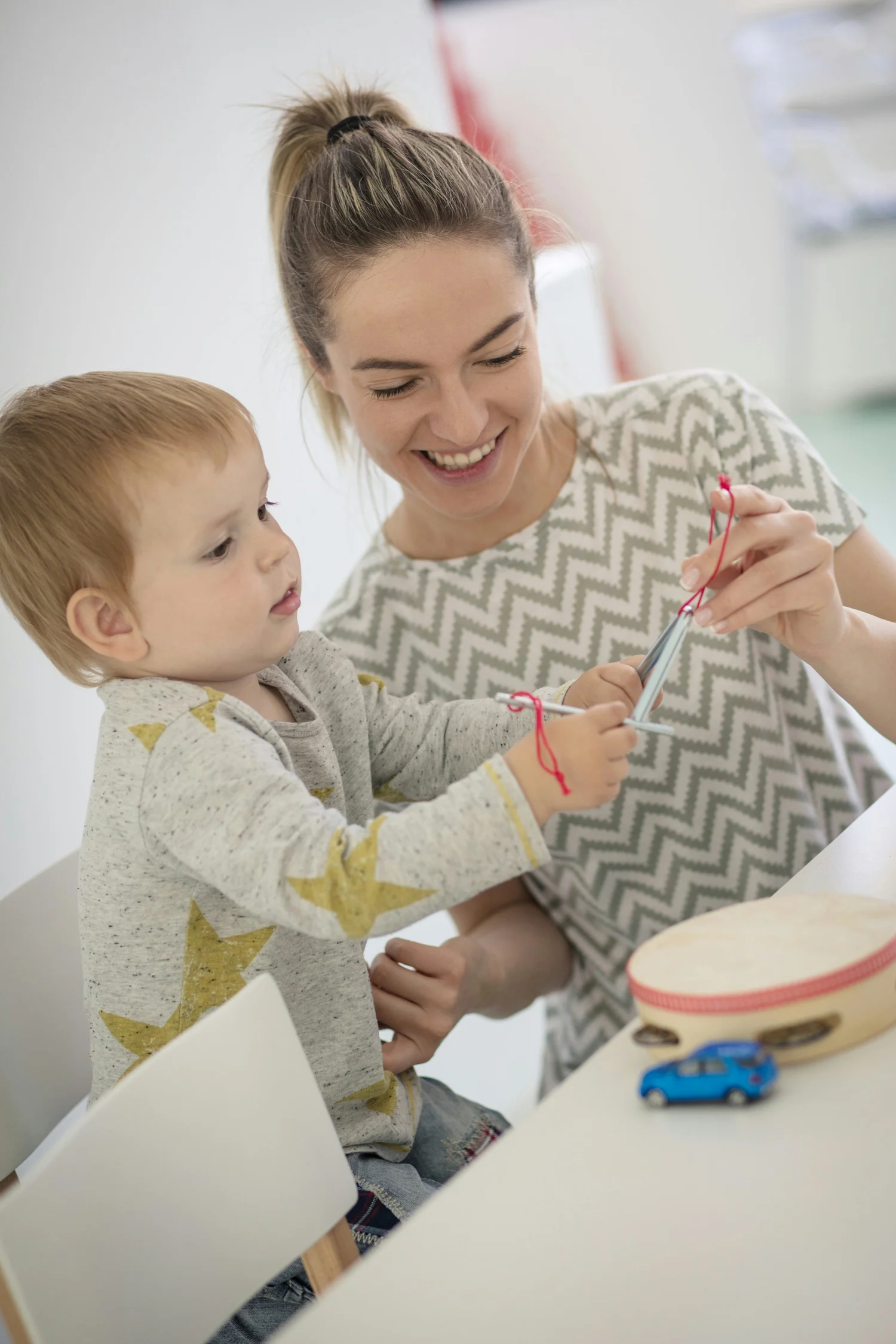
Listen to Teachers
Over the next several years, the Chancy and Bruce team went directly to educators.
They conducted focus groups, organized think tanks, and met with hundreds of teachers. They listened to public schools, private schools, large programs, and small programs.
Despite the differences among schools, one theme surfaced repeatedly:
No two TK classrooms looked the same.
Teachers were piecing together their programs from multiple sources:
- A lesson from one curriculum
- A worksheet from another
- A handwriting program from somewhere else
- Online resources
- Social-emotional materials
- Music activities
- Academic programs
- Teacher-created lessons
These educators were working incredibly hard. But they were often being asked to build the airplane while flying it.
Chancy and Bruce believed teachers deserved a better solution: one that was comprehensive, practical, developmentally appropriate, and easier to implement.
From Assessment to Instruction
For decades, the Chancy and Bruce assessment had helped educators identify the developmental skills children needed for kindergarten.
Now, the team could use that knowledge to help educators build those skills intentionally.
That vision became Pathways to Playful Learning.
Built around the same developmental Pathways that have guided Chancy and Bruce’s school-readiness work for more than four decades, Pathways to Playful Learning combines purposeful instruction, meaningful play, academic experiences, social-emotional development, and physical growth.
The philosophy is simple:
Before we ask children to perform academically, build the developmental foundation that allows them to learn.
Academics matter. But academics are only one part of readiness.
A child also needs:
- The fine-motor strength to hold a pencil
- The auditory memory to remember directions
- The receptive language to understand what a teacher is asking
- The expressive language to communicate needs and ideas
- The visual discrimination to recognize differences in letters, numbers, shapes, and symbols
- The gross-motor development to navigate the physical environment
- The comprehension to make sense of stories, instructions, and experiences
- The social-emotional development to become part of a classroom community
These are the foundations upon which academic learning is built.
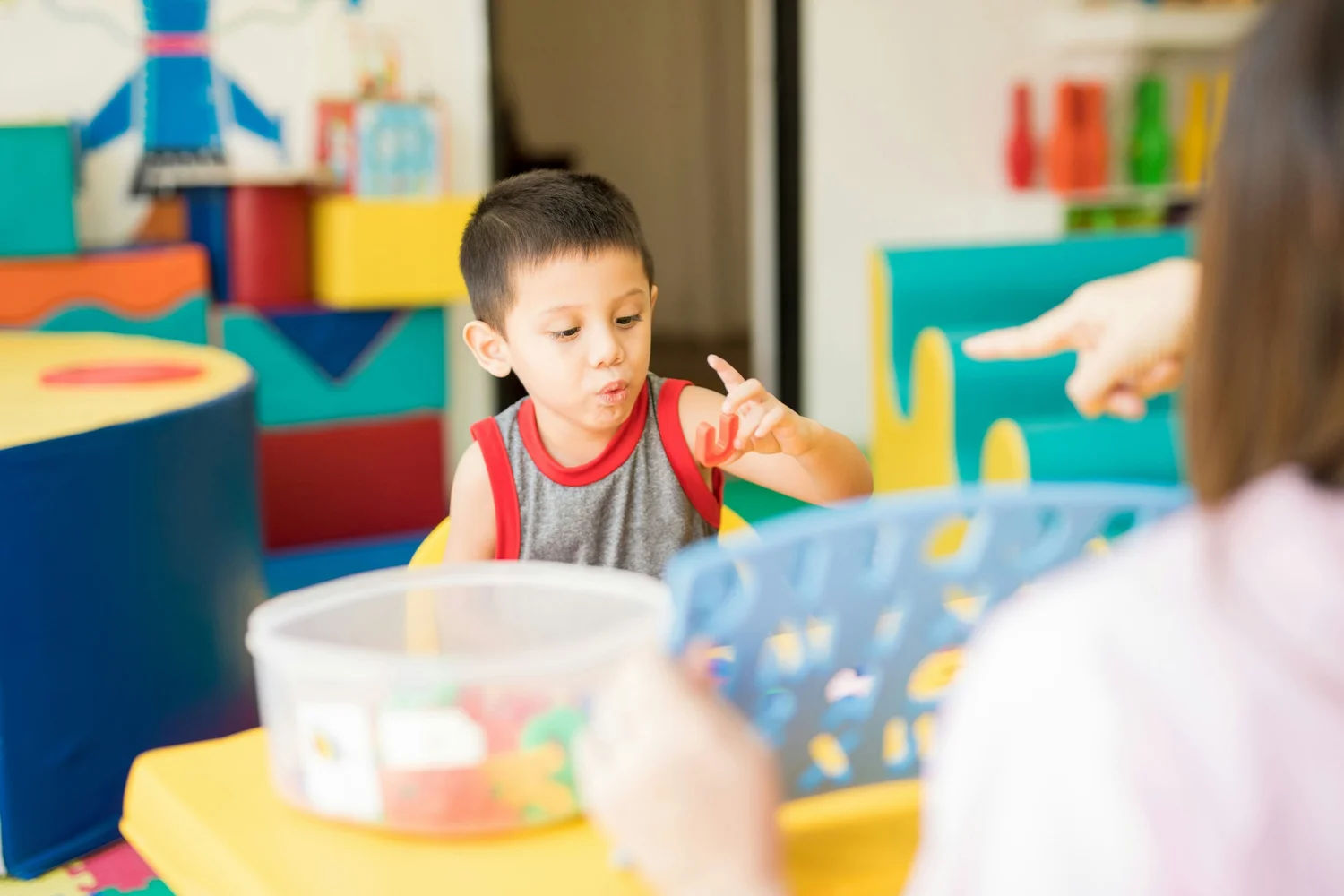
One Curriculum. The Whole Child.
Pathways to Playful Learning was intentionally designed to reduce the need for teachers to piece together multiple programs.
The curriculum brings developmental readiness and academics together with resources educators identified as essential, including:
- Handwriting
- Music
- Cultural learning experiences
- Classroom responsibilities
- Visual supports
- Adaptations for children with additional learning needs
- Teacher training
- Administrative support
The result is a structured yet flexible framework that supports the whole child while giving teachers practical tools and clear guidance.
Instead of searching for ten different solutions, educators can use one integrated approach centered on a shared goal:
Prepare every child for kindergarten.
Measure Progress. Strengthen Support.
The Chancy and Bruce story began with observation. Today, that commitment to understanding outcomes continues.
In a recent yearlong review, Chancy and Bruce followed 270 TK students across five schools and 16 classrooms.
The observed kindergarten-readiness outcomes showed the following pattern:
- 93% readiness among students experiencing full Pathways to Playful Learning implementation
- 81% readiness among students experiencing partial or half-day implementation
- 67% readiness among students in classrooms without Pathways
Students experiencing full implementation demonstrated readiness outcomes 26 percentage points higher than students in classrooms without Pathways and 12 percentage points higher than the partial-implementation group.
The review was observational and does not establish that the curriculum alone caused these differences. However, the results provide encouraging evidence for the idea at the heart of Chancy and Bruce’s work:
When educators intentionally develop the foundational skills children need to learn, more children appear prepared for kindergarten.
Explore Chancy and Bruce research.
The Mission Has Never Changed
Technology has changed.
Schools have changed.
Kindergarten has changed.
And Chancy and Bruce has changed.
But the question Bonnie Bruce and Barbara Chancy asked in that kindergarten classroom more than four decades ago remains just as important:
Are our children truly ready for kindergarten?
Today, Chancy and Bruce continues to bring more than 40 years of school-readiness experience to a new generation of children, teachers, schools, and communities.
What began as an assessment has become something larger:
Identify readiness.
Understand the whole child.
Strengthen the developmental foundation.
Give teachers the tools to build what children need.
Give every child the strongest possible start.
Partner with Chancy and Bruce.
Chancy and Bruce
The trusted source for school readiness.
Pathways to Playful Learning
Preparing children not simply to enter kindergarten: but to be ready for it.