About Chancy & Bruce
Dedicated to every child’s right start.
One assessment, one classroom, one family at a time. For more than 40 years we’ve helped schools and families understand how children learn and what support will help them thrive.

At a glance
Chancy & Bruce at a glance
Who
A team of certified educators on a mission to help every child thrive
Certified screeners, curriculum developers and education specialists united by one belief: every child deserves the right support at the right time. Our team holds degrees in education and receives specialized training in developmental assessment.
What
Research-backed assessments and curriculum for ages 2.5 to 7
From one-on-one developmental screenings to play-based TK curriculum and professional learning, our tools meet children where they are and guide educators across all 10 developmental pathways.
Where
Southern California and nationwide
Headquartered in San Clemente, CA, we provide on-site assessments throughout Southern California and train affiliate partners across the country to run our screenings in-house. Our curriculum reaches classrooms in every state.
When
Serving families and schools since the early 1980s
For over four decades we’ve refined our approach to early childhood assessment. Our longitudinal research has followed children from age 4½ through high school graduation and four years beyond.
How
One-on-one screenings, proven curriculum and professional learning
We work directly with children through personalized assessments, equip teachers with research-backed curriculum across 10 pathways, and support educators through 40+ professional development sessions on-demand, live and in person.
Why
Because every child deserves the right start
Development unfolds in a natural sequence. When children receive the right support at the right time, they don’t just succeed in school, they flourish in life. That belief has driven 40+ years of work.
What we believe
The convictions behind everything we build
They’ve shaped every assessment tool, every curriculum module and every professional development session we’ve ever created.
Childhood is not a race.
Development unfolds in a natural sequence, and strong foundations matter more than speed. Rushing a child through milestones doesn’t accelerate growth, it undermines it.
The 10 developmental pathways build the architecture for learning.
Development across 10 pathways creates the foundation children need for later reading, writing and math. You can’t skip the foundation and expect the structure to hold.
Children learn best through purposeful play.
Four-year-olds flourish through repetition, rich conversation, movement and meaningful exploration, not worksheets. Play is the work of childhood.
Teachers deserve real support.
Practical tools, minimal prep and ongoing professional learning let educators focus on children rather than chasing materials.
Social-emotional growth is the gateway to academic success.
Regulation, confidence and connection come before rigor. A child who feels safe and seen is a child who is ready to learn.
Assessment should illuminate and guide.
Data should tell a story about a child’s strengths and growth edges. Results should inform instruction, not simply sort children into categories.
The best classrooms balance structure and play.
Effective learning environments intentionally blend child-led exploration with purposeful, guided instruction for all learners.
Families are essential partners.
When schools and homes share language and goals, children’s growth accelerates. Parent partnership isn’t optional, it’s foundational.
Our approach
Grounded in research, refined in real classrooms
- Longitudinal research spanning decades: our studies followed children from age 4½ through high school, with our second study extending four years beyond graduation.
- Personalized, one-on-one assessment: a 20–40 minute individual screening by a certified assessor, covering motor, visual, auditory, language, reasoning and social-emotional development.
- Standards-aligned curriculum: Developmental Kindergarten and Pathways to Playful Learning blend academics, play-based exploration and SEL across a 37-week framework for TK and Pre-K.
- Credentialed, trained screeners: all screening personnel hold education degrees and complete specialized assessment training before working with any student.
Our story
From one mission to a trusted name
What began as a mission to provide developmental assessments for young children has grown into one of Southern California’s most trusted names in early childhood education, and a model for schools and districts nationwide.
- Early 1980s
Founded with a clear mission
Chancy and Bruce Educational Resources, Inc. was established to provide comprehensive developmental assessments for children ages 30 to 78 months, filling a gap no one else was addressing.
- 1984
Longitudinal study begins
Our first long-term study followed children from preschool through high school. Its findings became the bedrock of our assessment philosophy and curriculum design.
- 2000s
Growth across Southern California
Partner and affiliate programs expanded, bringing our assessments to hundreds of schools. Our screener training model helped schools build in-house assessment capacity.
- 2020s
Curriculum development
The Developmental Kindergarten Curriculum and Pathways to Playful Learning were developed and refined, turning 30+ years of assessment data into classroom-ready tools.
- Today
Over 500,000 children served
With more than 500,000 children assessed and 250+ partner schools, Chancy & Bruce continues to set the standard for early childhood assessment and curriculum.
Our team
Meet our leadership
Decades of classroom experience, research expertise and a shared passion for early childhood development.
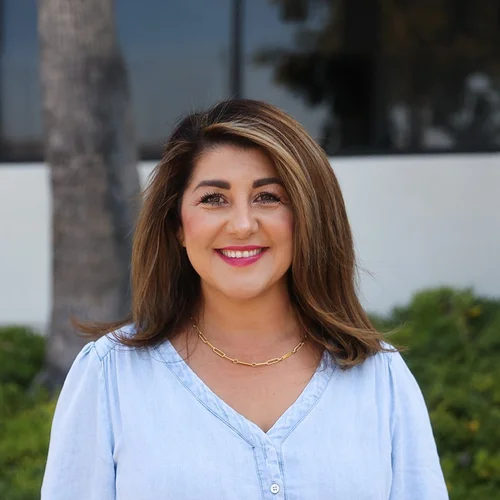
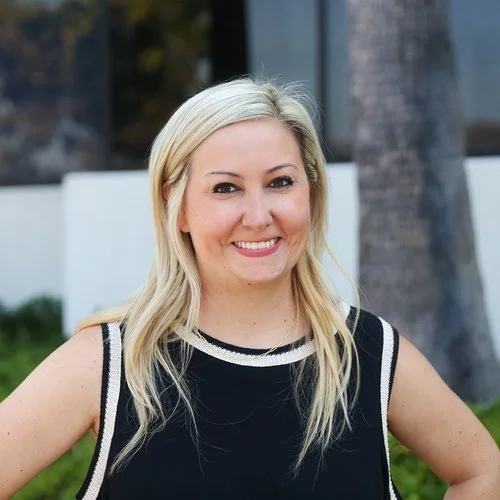
Suzanne Carr
Director of Operations
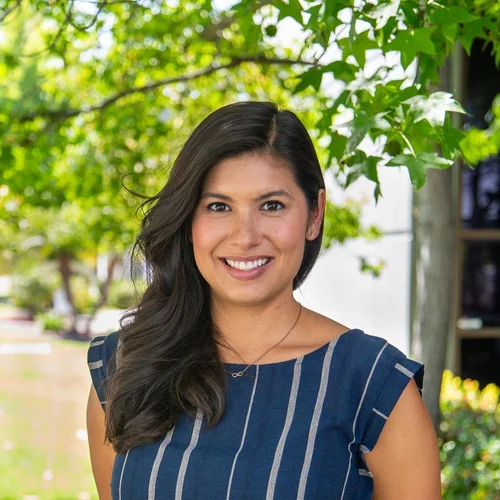
Mrs. Elya Moline, MAT
Director of Communications
Our impact
Four decades of measurable difference
500K+
Children assessed since 1984
250+
Partner schools in Southern California
40+
Years serving families & schools
2
Longitudinal studies completed
Ready to bring Chancy & Bruce to your school?
Whether you’re exploring assessments for the first time or building a district-wide early childhood program, we’d love to connect.